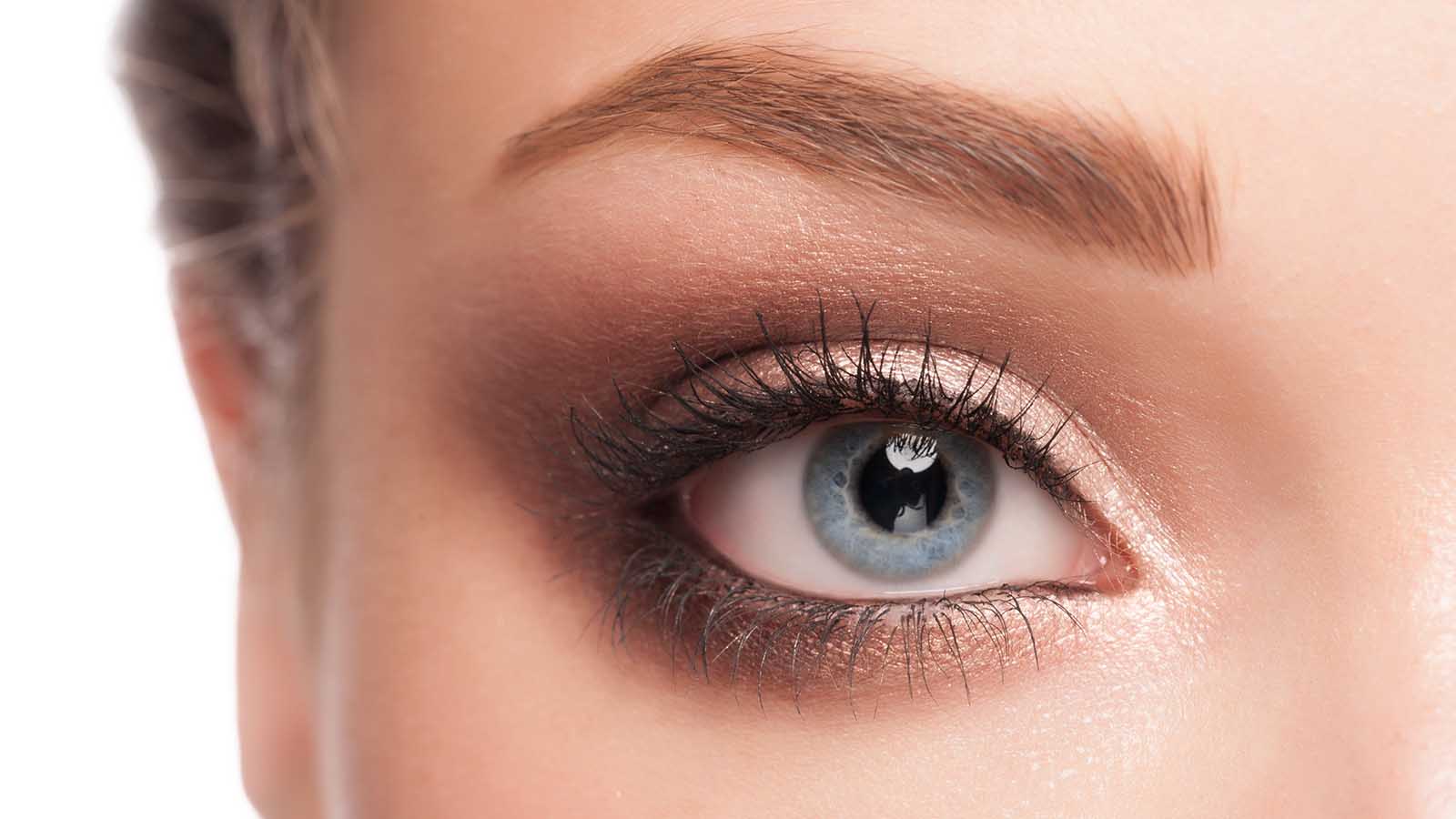
Eyebrows can significantly influence facial symmetry and appearance. Achieving the perfect eyebrow shape enhances natural beauty and frames the face, emphasizing the best features. Whether you’re a makeup enthusiast or a professional looking to refine your techniques, understanding the art of brow shaping is essential.
This comprehensive guide delves into various aspects of eyebrow shaping, from understanding different shapes to mastering grooming techniques.
Understanding Eyebrow Shapes
Before diving into brow shaping, it’s crucial to understand the different eyebrow shapes and how they complement various face types. Eyebrows typically fall into several categories: arched, flat, rounded, or S-shaped. Each shape suits different facial structures. Some common eyebrow shapes include:
– Arched eyebrows: They are particularly beneficial for those with round faces as they add length and create an illusion of a longer face, enhancing facial harmony.
– Flat eyebrows: They are ideal for long faces; their horizontal line helps balance the facial proportions by visually shortening the face.
– Rounded eyebrows: They are perfect for square faces as they help soften the pronounced angles around the jawline and forehead, contributing to a more rounded facial appearance.
– S-shaped eyebrows: With their unique flow, they add a dramatic flair and adaptability, making them suitable for a variety of face shapes. Their distinctive curve enhances the overall facial aesthetic.
Selecting the right eyebrow shape is foundational to enhancing your natural beauty. Once you determine the best shape for your face, you can move on to the methods of achieving and maintaining it.
Tools of the Trade
Having the right tools is essential for eyebrow shaping. The basics include:
– Tweezers: They are essential for plucking unwanted stray hairs, ensuring clean and defined eyebrow edges.
– Brow scissors: They are crucial for trimming longer hairs that can disrupt the overall shape of the eyebrows; they help maintain a neat and uniform length.
– Brow pencils or powders: They are indispensable for filling in sparse areas, adding volume, and defining the eyebrows’ shape. These products allow for precise application, enabling a natural or bold look depending on preference.
– Brow gel: This is used to set the eyebrows in place, providing a lasting hold throughout the day while keeping the hairs aligned and neat, thus enhancing the groomed appearance of the brows.
Invest in high-quality tools to ensure precision and avoid damaging the delicate skin around the eyebrows.
The Process of Eyebrow Shaping
Eyebrow shaping starts with marking the key points of your brows: the start, the arch, and the end. You can use a brow pencil aligned with specific facial features to identify these points accurately. For instance, the start of the brow should align with the edge of the nostril, and the arch should be just above the outer edge of the iris when looking straight ahead.
After marking these points, use tweezers to remove hairs outside these marks carefully. Remember, less is often more when it comes to plucking eyebrows. Over-plucking can lead to sparse brows and a longer regrowth time.
Filling in the Brows
Filling in the eyebrows is crucial for those with sparse brows or who have previously over-plucked them. To achieve a natural and fuller appearance, select a brow product—pencil, powder, or pomade—that closely matches your natural hair color. Apply the product using light, feathered strokes to mimic natural hair, filling in any gaps and enhancing the overall density. This method allows for a controlled and subtle enhancement of the brows.
Apply a clear or tinted brow gel to ensure that the fill remains intact throughout the day. This gel maintains the desired shape and conditions and nourishes the brow hairs, adding a polished finish.
Correcting Mistakes
Corrective measures may be necessary when eyebrow shaping goes awry, such as over-plucking or incorrect shaping. One effective method for correcting such mistakes, especially with permanent makeup, is through safe tattoo removal techniques. These techniques can be crucial for adjusting overly filled or inaccurately shaped tattoos and restoring the eyebrows to a more natural state.
When considering tattoo removal, it is vital to choose methods that minimize skin damage and promote recovery. This ensures that any correction aligns with maintaining healthy and attractive eyebrows.
Maintenance and Care
Regular maintenance is key to keeping eyebrows well-groomed and in optimal shape. This regimen should include consistent trimming to manage length, tweezing to maintain shape, and possibly tinting to enhance color. Beyond mechanical grooming, applying nourishing serums or oils formulated explicitly for eyebrow care is beneficial. These products can stimulate hair growth, strengthen hair follicles, and improve the overall health and appearance of the brows.
Establishing a routine that includes grooming and nourishment can ensure your eyebrows always look their best.
Advanced Techniques: Microblading and Tattooing
Microblading and eyebrow tattooing are advanced cosmetic procedures for those seeking a long-term solution to thin or uneven eyebrows. Microblading involves using a fine blade to deposit semi-permanent pigment into the skin, creating the appearance of natural, fine hairs. Eyebrow tattooing, on the other hand, is a more permanent form of makeup where pigment is implanted deeper into the skin.
Both techniques require a skilled professional to ensure the results look natural and harmonious with your facial features. It’s crucial to consult with a licensed aesthetician or tattoo artist who can tailor the shape, color, and style to suit your face and personal preferences, ensuring results that enhance your natural beauty.
Conclusion
Mastering the art of eyebrow shaping can dramatically transform your appearance and boost your confidence. You can achieve professional-grade results by understanding the basic principles, having the right tools, and practicing precise techniques. Whether enhancing your natural brows or correcting past mistakes, the journey to perfect eyebrows is worth the effort.
Did you find this helpful? Check out our other helpful articles on our website.
Read Also
- Full-Arch Dental Tourism: Why UK Patients With Severe Bone Loss Are Looking Abroad
 Dental implants have become one of the fastest-growing segments of private dentistry. Within that market, one patient group behaves very differently from the rest: people who have been told they do not have enough upper jawbone for conventional implants. For these patients, the choice is rarely between one clinic and another. It is between a… Read more: Full-Arch Dental Tourism: Why UK Patients With Severe Bone Loss Are Looking Abroad
 - Levels of Mental Health Care and When to Seek SupportMental health care can range from occasional outpatient appointments to 24-hour hospital treatment. The appropriate level depends on safety, symptom severity, daily functioning, medical needs, available support, treatment history and personal preferences. A licensed clinician should assess these factors rather than relying on a symptom list alone. Need help now? In the United States, call… Read more: Levels of Mental Health Care and When to Seek Support
- How to Choose a Shilajit Brand Based on the ResearchIn a randomized trial published in the Journal of the International Society of Sports Nutrition in 2019, 63 active men took 250 mg of standardized shilajit, 500 mg, or a placebo every day for eight weeks, and the benefit for strength retention after a fatiguing workout appeared only at 500 mg. For anyone choosing a… Read more: How to Choose a Shilajit Brand Based on the Research
- How to Incorporate Relaxation into Your Busy ScheduleFinding balance when you have a packed daily agenda often feels out of reach. Between work duties, family obligations, and personal projects, personal rest usually gets pushed to the bottom of the list. Small, intentional shifts in daily habits can help restore calm without requiring hours of extra free time. Continue reading to discover everything… Read more: How to Incorporate Relaxation into Your Busy Schedule
- Red Light Therapy for Skin and Wellness: Meet Vital Red Light TherapyModern wellness is not always about complicated treatments or long routines. Many people are now looking for simple, convenient ways to support their skin, recovery, and overall wellness at home. One technology getting more attention is red light therapy. Red light therapy uses specific wavelengths of red and near-infrared light to support the body’s natural… Read more: Red Light Therapy for Skin and Wellness: Meet Vital Red Light Therapy
- Managing Shock Loss After a Hair Transplant: The Financial and Clinical Imperative of Post-Op CareIn the rapidly evolving landscape of private healthcare, executive leadership within cosmetic and restorative surgery clinics faces a dual challenge: maintaining strict clinical standards while maximizing patient lifetime value (LTV) and brand advocacy. As the global medical tourism and elective procedure markets expand, clinical outcome quality alone is no longer the sole differentiator for premium… Read more: Managing Shock Loss After a Hair Transplant: The Financial and Clinical Imperative of Post-Op Care
- Transform Your Skin Health: Premier Gluta IV Therapy in DubaiThis comprehensive guide explores how modern intravenous wellness treatments can help revitalize your complexion, boost immune function, and support overall cellular health. By incorporating modern IV therapy Dubai services into a routine health regimen, individuals can achieve direct nutrient absorption for optimal results. Selecting a customized gluta IV drip Dubai treatment provides targeted antioxidant defense,… Read more: Transform Your Skin Health: Premier Gluta IV Therapy in Dubai
- The Evolution of Dental Prosthetics: Innovation in Oral HealthDental replacements have improved a lot over time. Smiling, chewing, and speaking depend on having healthy teeth. When teeth break or go missing, today’s options can restore both function and confidence. Modern techniques make these replacements feel and look completely natural. Ancient Roots Of Tooth Replacement People have tried to replace lost teeth for thousands… Read more: The Evolution of Dental Prosthetics: Innovation in Oral Health